

Viva Primavera and CAMM strengthen music registration in Central America
Cultural manager Arturo Salas Güell explains how the use of digital platforms has improved the processes of registering and protecting musical works in Central America.
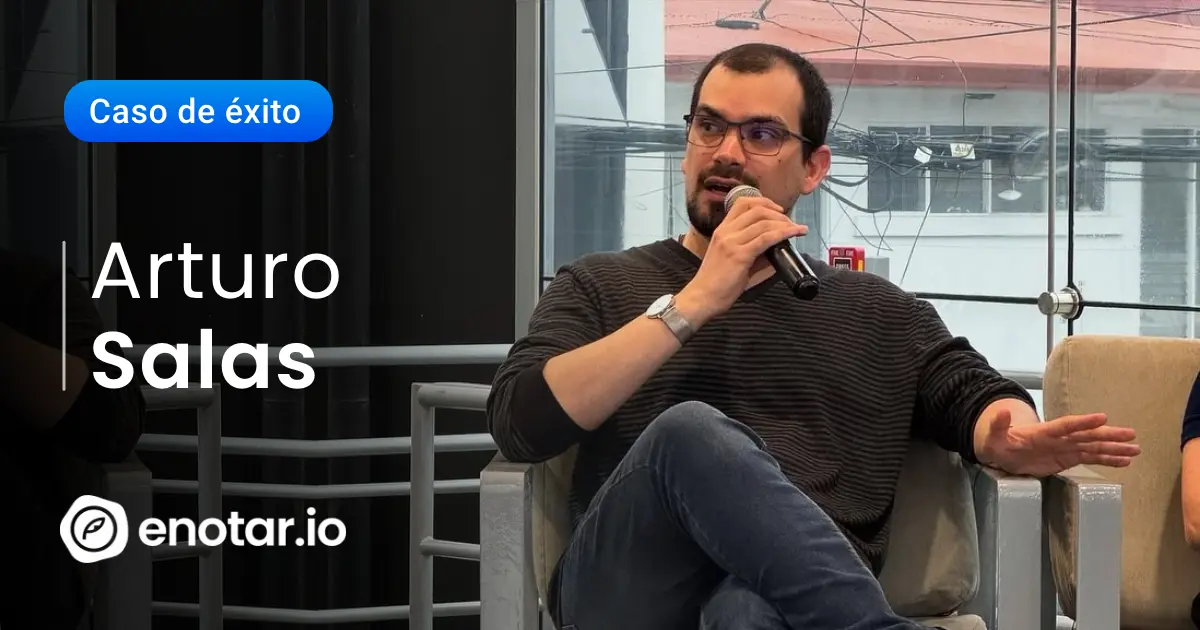

Independent music in Central America is undergoing an increasingly visible process of professionalization. One of the topics that interests artists the most is the need to protect their works and formalize their creative output from the earliest stages. In this context, various digital registration platforms have begun to be incorporated into training programs, festivals, and artistic support initiatives.
Among those who have promoted this shift is Arturo Salas Güell, musician, cultural manager, co-founder of the booking and management agency Viva Primavera, and director of the Central America Music Market (CAMM). His work has focused on providing practical tools to independent artists across the region.
A collaboration born on stage
Salas recalls that the interest in using digital registration tools emerged from specific needs during educational activities and festival operations.
“At the Nueva Ola Folk festival, several artists were able to register their songs immediately. For many, it was the first time they had gone through such a process without resorting to in-person procedures,” he explains.
The use of these tools then began to integrate naturally into the educational spaces led by Viva Primavera and CAMM.
“In our workshops, we talk about registration as an essential step in an artist’s career. Many know about royalties, but they are not always familiar with the protection of the work itself. Digital platforms have allowed us to show them how it works in a simple and accessible way,” he adds.
Technology that simplifies processes
One of the aspects Salas values most is the ability to document a work quickly, generating a record with verifiable traceability.
“Registering a song or creative idea in minutes makes the process much easier. Having that documentation in order opens opportunities: festivals, markets, sync placements… and above all, it brings peace of mind,” he explains.
This efficiency has allowed both Viva Primavera and CAMM to include digital registration as part of their support processes, especially for emerging artists or those working independently.
A shared purpose: protecting creativity
The main goal is to encourage a culture of professional responsibility within the independent music scene in Central America. The idea of “getting your house in order” before seeking opportunities elsewhere is a recurring theme in Salas’ work.
“Before taking a musical project out into the world, it’s important to have the basic documents in place. Including the registration of works in that process has helped artists make more informed decisions,” he affirms.
Conclusion
Arturo’s experience shows how digital registration can naturally integrate into training programs, festivals, and artistic support initiatives. His work reveals that professionalizing the music industry depends not only on talent but also on tools that provide security and administrative order from the earliest stages of creation. His vision confirms that intellectual property is an essential component for Central American artists seeking to project themselves internationally.
Acknowledgment
Enotar.io extends its sincere gratitude to Arturo Salas Güell for sharing his experience and for his ongoing commitment to the professional development of independent music in Central America. His testimony brings clarity, motivation, and inspiration to the artistic community striving to protect its creativity with responsibility and forward-looking vision.